The Gift Perch earns a commission when you buy through our links, at no extra cost to you. We are an Amazon Associate. We accept no free products, no sponsored placements and no paid inclusion, and the commission rate plays no part in what we recommend. Full disclosure.
For a birder who already owns the obvious things, buy accessories rather than gear: a binocular harness, an all-weather notebook, a proper seed can. All three are things regular birders want, use constantly, and never get around to buying. The alternative is a book they are unlikely to already own.
The risk with an experienced recipient is not buying something bad — it is buying something they already have. Every pick below is chosen against that risk, and each card says plainly who it is not for.
The picks
Ranked picks with what each is best for, our score out of ten, the budget band it falls in, and a link to check its current price on Amazon.
#
Pick
Best for
Score
Price
01
Op/TechNo photoOp/Tech Binocular Harness StrapMoves the weight from the neck to the shoulders, which is the difference between binoculars worn all morning and binoculars left in the car.Under $25
The cheapest upgrade to binoculars someone already owns
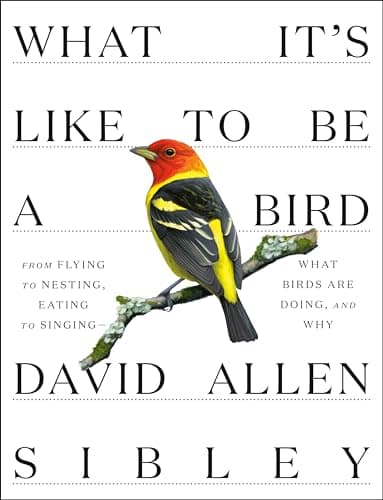
David Allen Sibley What It's Like to Be a BirdNot an identification book at all — a large-format answer to the questions people actually ask while watching a feeder.Under $50
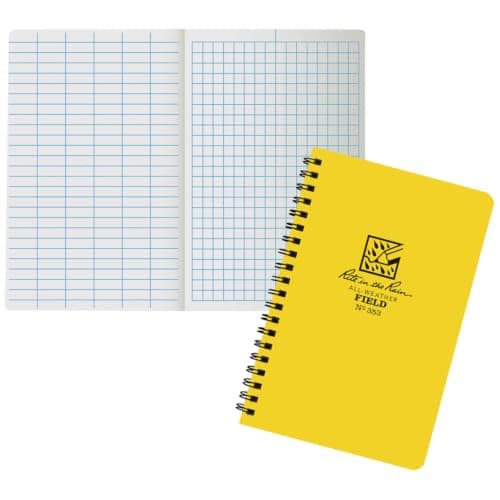
Rite in the Rain All-Weather Field NotebookWaterproof paper, which sounds like a gimmick until the first morning someone tries to write in drizzle.Under $25
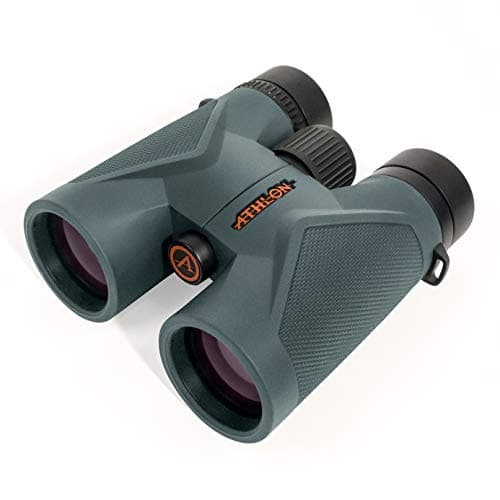
Athlon Optics Midas G2 UHD 8x428.1 degrees is a visibly bigger picture than anything else in this group, and ED glass is the reason edges stay clean at that width.Under $250
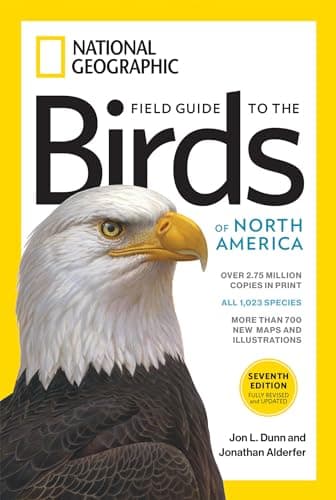
National Geographic Field Guide to the Birds of North America, 7th Edition1,023 species and 80 new maps, arranged to match the American Ornithological Society's current order — the most current of the big three.Under $50
Scores are ours, from the published rubric on the how-we-pick page. They are editorial judgments about published specifications and cost arithmetic, not test results — we have not handled these products.
Pick 01
Op/TechNo photo
The cheapest upgrade to binoculars someone already owns
Op/Tech Binocular Harness Strap
Moves the weight from the neck to the shoulders, which is the difference between binoculars worn all morning and binoculars left in the car.
A neck strap hangs about 21-23 oz from the cervical spine. A harness distributes the same weight across both shoulders and stops the binoculars swinging when you bend.Source: Athlon Midas G2 UHD 8x42 specifications, athlonoptics.com, re-read 2026-09-12
Fit
Universal — attaches to the standard strap lugs on essentially any binocular
Detailed specification
Not published by the manufacturer in a form we could verify
What it gets right
Solves the most common complaint about binoculars, for the least money on this site
Works with a pair the recipient already owns, so it is never a duplicate gift
Stops the pair swinging forward and knocking into things when bending down
What it does not
It is a strap. As a standalone gift it needs pairing with something
Some harnesses are fiddly to get on over a winter coat
No published specifications to compare between brands
Who it is for
Someone who already has binoculars and complains about their neck. Add it to a book and it becomes a thoughtful pair rather than an accessory.
Skip this if
You are looking for a gift that feels like a gift on its own. This is a stocking addition, not a centerpiece.
Pick 02
The bird lover who already owns every field guide
David Allen Sibley What It's Like to Be a Bird
Not an identification book at all — a large-format answer to the questions people actually ask while watching a feeder.
David Allen Sibley, who wrote and illustrated the Sibley guidesSource: Knopf / Penguin Random House listing for The Sibley Guide to Birds, Second Edition, read 2026-09-02
Type
Illustrated natural history, not a field guide — no identification keys
Why it works as a gift
It is the book to buy when you suspect the recipient already owns the obvious ones
Page count and dimensions
Not published by the manufacturer in a form we could verify on a publisher page we could read
What it gets right
Almost nobody already owns it, unlike the field guides
Sibley's artwork at large scale, so it works as an object as well as a book
Readable in any order, which suits a coffee table
What it does not
Useless for identifying a bird, which is what a recipient may expect from a Sibley title
Large format makes it awkward to post
We could not verify the current printing's specifications from the publisher
Who it is for
The person who has been watching birds for years and has all the reference they need. This is the one they will actually read.
Skip this if
The recipient asked for help identifying birds. This answers a different question and they will be quietly disappointed.
Pick 03
Notes that survive the weather they were taken in
Rite in the Rain All-Weather Field Notebook
Waterproof paper, which sounds like a gimmick until the first morning someone tries to write in drizzle.
426 ft at 1,000 yards is 38 ft wider than the Nature DX, which makes finding a moving bird much easier
ED glass reduces the purple fringing you see on a bird against a bright sky
Magnesium chassis rather than polycarbonate
Lifetime warranty
What it does not
Heaviest here at 23.3 oz
Least familiar brand of the four, which can matter for a gift recipient looking for help later
The wide field makes the pair physically bulkier in the hand
Who it is for
Someone who already owns a cheap pair and has said they struggle to find the bird. Field of view is the fix for that complaint, and this has the most of it.
Skip this if
The recipient has neck or shoulder problems, or will carry these all day. Two and a half ounces sounds trivial and is not, after three hours.
Pick 05
The unglamorous gift that solves a real problem
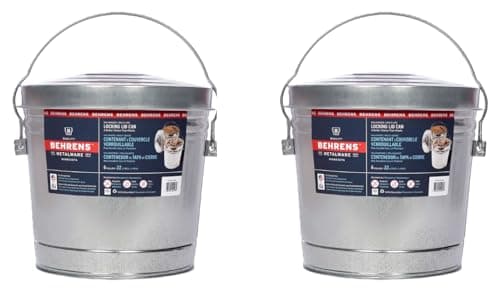
Behrens Galvanized Steel Can with Lid
Seed in a paper sack in a garage feeds mice. A metal can with a tight lid does not.
Rodents chew through paper and plastic seed sacks. Galvanized steel is the standard answer, and the lid seal is the part that matters.
Why not plastic
A determined rodent gets through a plastic tub. Steel is the reason people keep buying these.
Damp
A sealed can also keeps seed dry, which matters because damp seed molds and moldy seed makes birds ill
Capacity and dimensions
Not published by the manufacturer in a form we could verify consistently — capacities from around 6 to 31 gallons are sold, so match it to how much seed they buy
What it gets right
Solves a problem every regular feeder-filler eventually has
Lasts effectively forever
Keeps seed dry, which is a bird-health issue and not just a convenience
What it does not
Deeply unromantic to unwrap
Bulky to ship and to store
Capacity is easy to get wrong without knowing their habits
Who it is for
Someone who has been feeding birds for years and keeps the seed in a torn bag. They will use it every week.
Skip this if
You want the gift to be the moment. This is a good gift and a bad centerpiece — put it under something else.
Pick 06
The most species, and the most recent taxonomy
National Geographic Field Guide to the Birds of North America, 7th Edition
1,023 species and 80 new maps, arranged to match the American Ornithological Society's current order — the most current of the big three.
1,023, including 37 new to this editionSource: National Geographic Field Guide to the Birds of North America, 7th Edition, publisher listing, read 2026-09-02
Pages
592Source: National Geographic Field Guide to the Birds of North America, 7th Edition, publisher listing, read 2026-09-02
Illustrations
3,500 illustrations, 250 of them newSource: National Geographic Field Guide to the Birds of North America, 7th Edition, publisher listing, read 2026-09-02
Maps
80 new range maps and 350 revisedSource: National Geographic Field Guide to the Birds of North America, 7th Edition, publisher listing, read 2026-09-02
Taxonomy
Organized to match American Ornithological Society taxonomy changesSource: National Geographic Field Guide to the Birds of North America, 7th Edition, publisher listing, read 2026-09-02
Format
Paperback
What it gets right
The only guide here that states its species count plainly: 1,023
Current AOS taxonomy, which matters when a recipient cross-references an app
80 new and 350 revised range maps — ranges have shifted, and most guides have not kept up
Paperback, so it is closer to field-usable than the Sibley hardcover
What it does not
592 pages is still a lot of book for a coat pocket
Illustration style is less distinctive than Sibley's, which some birders care about a great deal
Covers the whole continent, so a beginner still wades through species that do not occur near them
Who it is for
The birder who checks things properly and will notice a guide using out-of-date taxonomy. Also the right answer for anyone who travels across the continent.
Skip this if
The recipient is brand new to this. A thousand species is a hard place to start; the Kaufman photographic guide is a gentler entry.
The accessory gap
Serious birders spend on optics and then use them with the strap that came in the box. A harness moves 21 to 23 ounces off the neck and onto the shoulders and stops the pair swinging forward when they bend. It is the most-wanted, least-bought item in the hobby.
The same logic applies to a metal seed can and an all-weather notebook: cheap, constantly used, and almost never bought as a treat.
The book they probably do not own
They will own a field guide. They may well own the Sibley. What they are far less likely to own is What It's Like to Be a Bird — same author, same artwork, and not a reference work at all. It answers the questions people ask while watching rather than the question of which species it is.
If you want to give a reference anyway, the National Geographic 7th edition is the one with a plainly stated species count of 1,023 and current AOS taxonomy, which is the detail a careful birder will actually notice.
If you want to upgrade their optics
Ask what they complain about first. "I can never find the bird" is field of view — the Athlon Midas G2 publishes 8.1 degrees, the widest here. "There's a black ring" is eye relief. "I can't focus on the feeder" is close focus. Buying a nicer pair that fixes none of those is an expensive way to change nothing.
FAQ
Questions people ask about this
What do you buy a birder who has everything?
An accessory rather than gear. A binocular harness, an all-weather field notebook, or a galvanized seed can. All three are used constantly and almost never bought as a treat.
What book does a serious birder not already own?
Most likely What It's Like to Be a Bird by David Allen Sibley. It is illustrated natural history rather than a field guide, so it does not overlap with the reference shelf.
How do I upgrade someone's binoculars without wasting money?
Fix the complaint. Trouble finding birds is field of view; a black ring at the edge is short eye relief; failing to focus on a nearby feeder is close focus. All three are published figures you can compare before buying.
Are gift cards better for experienced birders?
Honestly, sometimes. But an accessory they use every outing beats a gift card they spend on seed, and it costs less than most people expect.